About Jade Stone
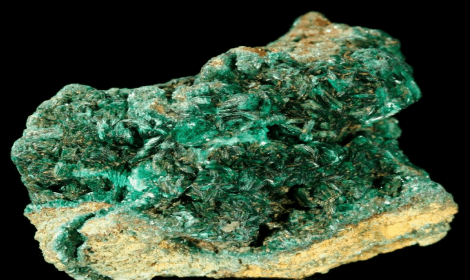
Jade, revered for its beauty and cultural significance, comes in two main types: jadeite and nephrite. With its lush green hues and smooth texture, jade has been prized for centuries in jewelry and ornamental pieces, symbolizing purity, harmony, and prosperity in many cultures.
-
Jade originates from various regions worldwide, including Myanmar, China, Central America, and New Zealand, where it forms through geological processes and is valued for its cultural and aesthetic significance.
-
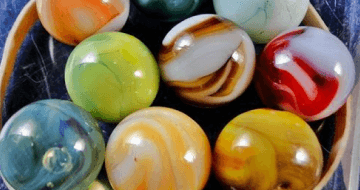
There are two main types of jade: jadeite, characterized by its hardness and vivid colors, and nephrite, known for its toughness and diverse range of colors. Both types of jade have been cherished for centuries for their beauty and cultural significance.
-
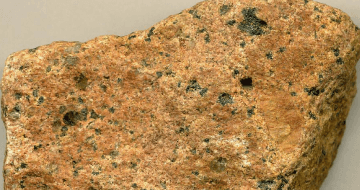
Jade's value lies in its rarity, beauty, cultural significance, and spiritual symbolism, making it highly prized in jewelry and art worldwide.Jade's enduring popularity and historical significance contribute to its enduring value as a precious gemstone.